
ENSERES - ENhancing Socio-Ecological RESilience in Mediterranean coastal areas
Mainstreaming available ecosystem-based management tools for preserving coastal and marine ecosystems as sustainable livelihoods for coastal urban communities through integrated management of human activities
Project summary
Human activities in Mediterranean coastal and marine areas are intensifying the environmental degradation and the impact of cumulative pressures on ecosystems and the services they provide. Improving the socio-ecological resilience of vulnerable areas and local economies is a solution critically needed for the long-term sustainability of the region. Setting transformative governance mechanisms, building capacities, ensuring sustainable financial and community engagement for bringing improvements to people’s lives and nature form the core of the answering solution.
As a capitalization project, ENSERES seeks transformative changes with an integrated solution approach at transboundary level, both in and outside areas under legal protection, and involving public authorities, socio-economic actors and civil society organisations engaged in natural and urban areas. It focuses on transferring and mainstreaming ecosystem-based management tools to implement integrated coastal zone management (ICZM) processes in multi-level conservation and territorial practices.
ENSERES will build the capacities to set common goals for public authorities and natural resource users, boost sustainable financing mechanisms for co-management, and act for the operative territorialisation of actions at various scales. Based on transferring activities at pilot site level in the Gulf of Gades (Tunisia) and the area of the Tyre Coast Nature Reserve (Lebanon), outreach activities will ensure the dissemination of approaches at Pan-Mediterranean level through existing networks such as the Mediterranean Protected Areas Network (MedPAN), the Network of Mediterranean coastal cities (MedCities) and the network of managers of Specially Protected Areas of Mediterranean Importance (SPAMI network).
Our role
ETC-UMA coordinates the project and leads the project communication. Additionally, the ETC-UMA team will guide and implement improvements to the Mediterranean Biodiversity Protection Knowledge Platform.
ETC-UMA, as lead partner of the Interreg Med capitalization project MBPC will ensure close cooperation among both projects and communities.
Main outputs


More about it

Christoph Schröder
Project coordinationchristoph.schroder@uma.es
Based on my MSc in Geography (University of Bonn) I have developed expertise in Geographic Information Systems and land use/cover change analysis from local to global scale with particular interest in the Mediterranean...

Emanuele Mancosu
MBPKP Developmentemanuele.mancosu@uma.es
Strong interests and curiosity about environment subjects and informatics technology. The academic career was orientated in natural science finished in 2004 with highest honors with particular attention on GIS...Our partners
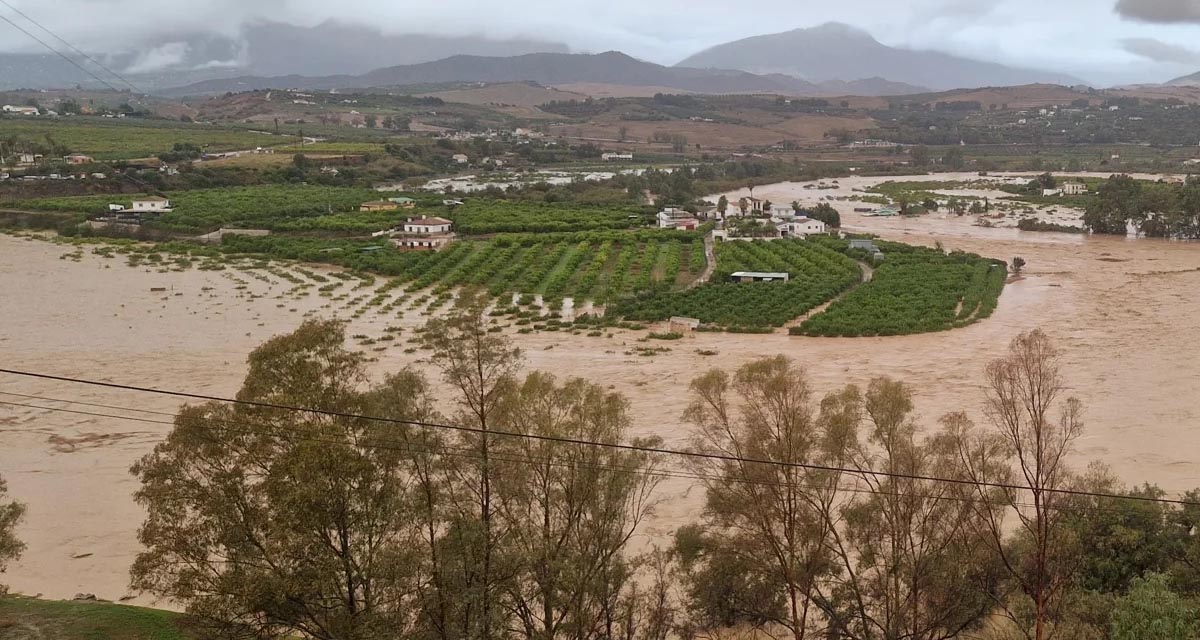
Boosting Climate Resilience: Wetland4Change Project Advances Flood Management Solutions for Mediterranean Coastal Zones
The Mediterranean coastal zone´s combination of multiple severe climate hazards – rising temperatures, water scarcity, sea-level rise, and extreme weather events – makes it a hotspot for highly interconnected climate risks for the ecosystems and societies. Recent catastrophic floods in ...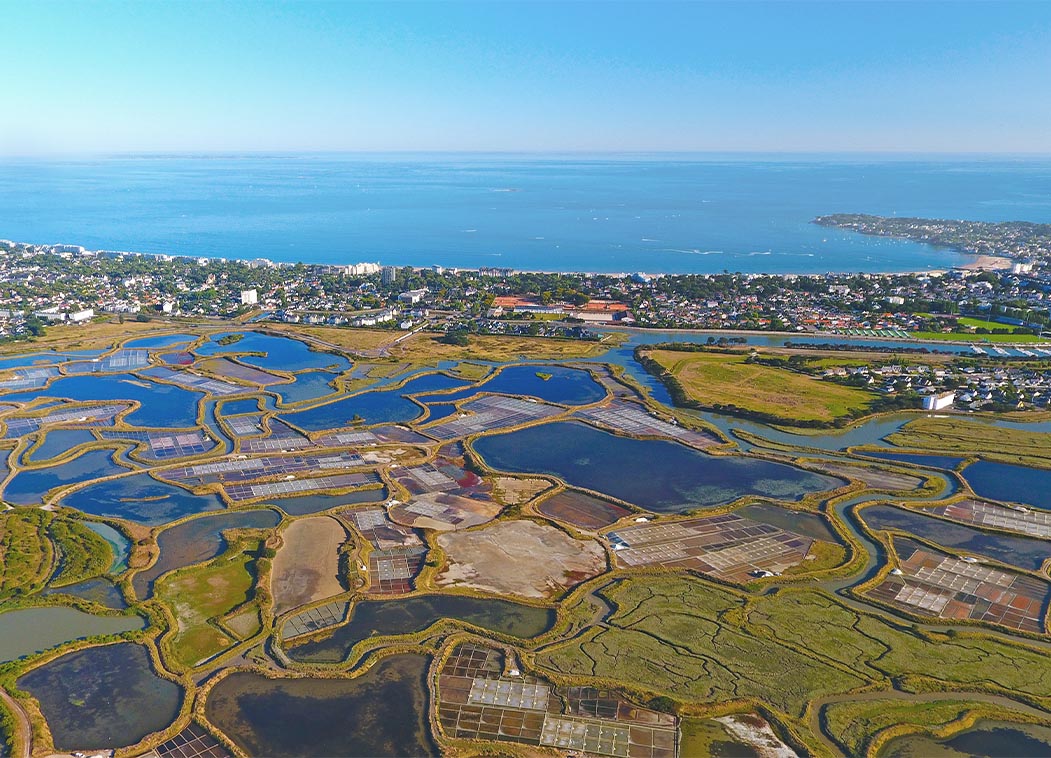
RESTORE4Cs 1st Policy Brief: How can coastal wetlands help achieve EU climate goals?
The first RESTORE4Cs Policy Brief of RESTORE4Cs, “How can coastal wetlands help achieve EU climate goals?“, highlights the importance of European coastal wetlands for reducing Greenhouse Gas emissions. The key messages of the first RESTORE4Cs Policy Brief include: Coastal wetlands are important natural carbon stores, ...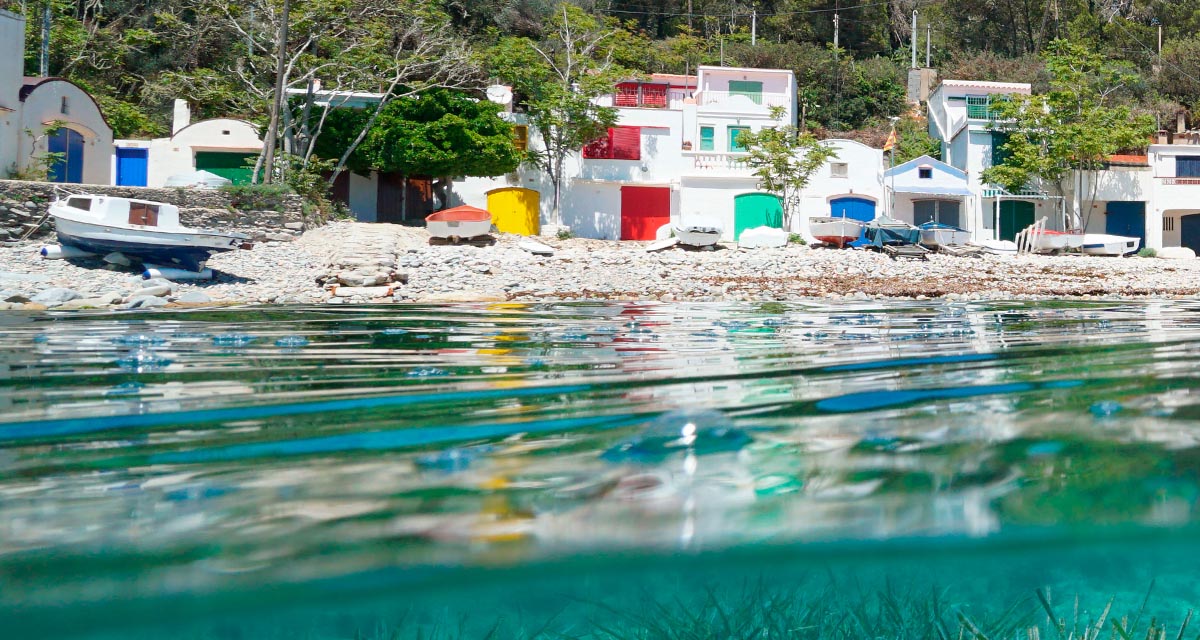
Mapping the Impact of Blue Tourism in the Mediterranean
The IUCN Centre for Mediterranean Cooperation with the support of ETC-UMA in the framework of the Blue Tourism Initiative, has released a comprehensive report entitled “Mapping the Impact of Blue Tourism in the Mediterranean: Vulnerability Assessment of Coastal and Marine ...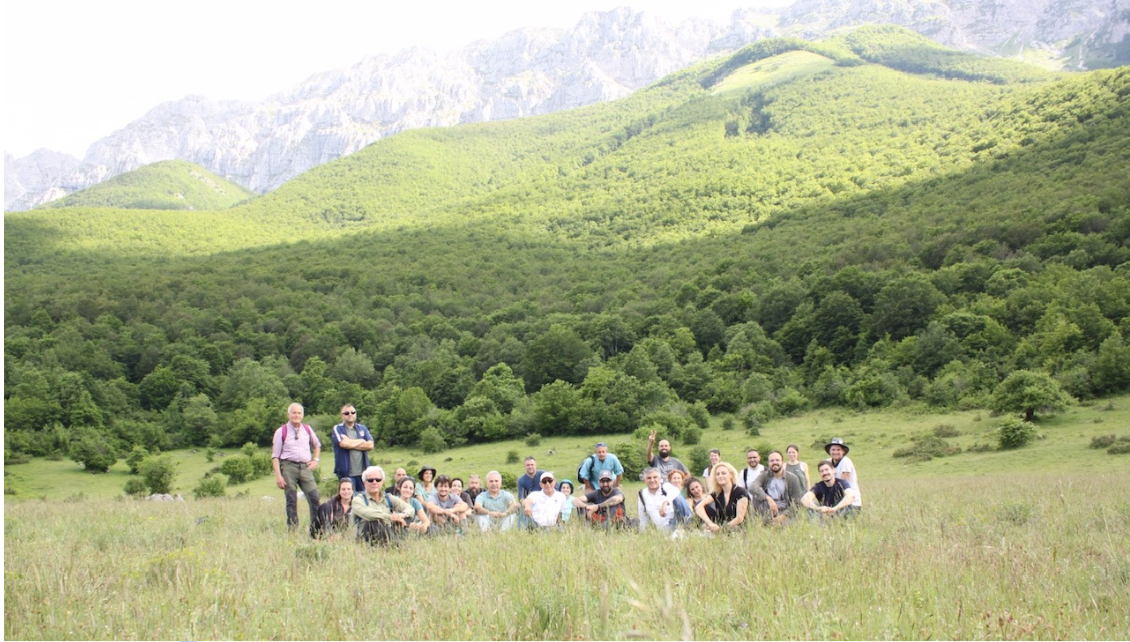
StrategyMedFor Presented at Annual Medforval Meeting 2024
StrategyMedFor was prominently featured at the Annual Medforval Meeting 2024, held from June 5-7 in Fontecchio, Italy. The event brought together 25 practitioners from national parks and natural reserves across 9 Mediterranean countries, providing a valuable platform for StrategyMedFor to ...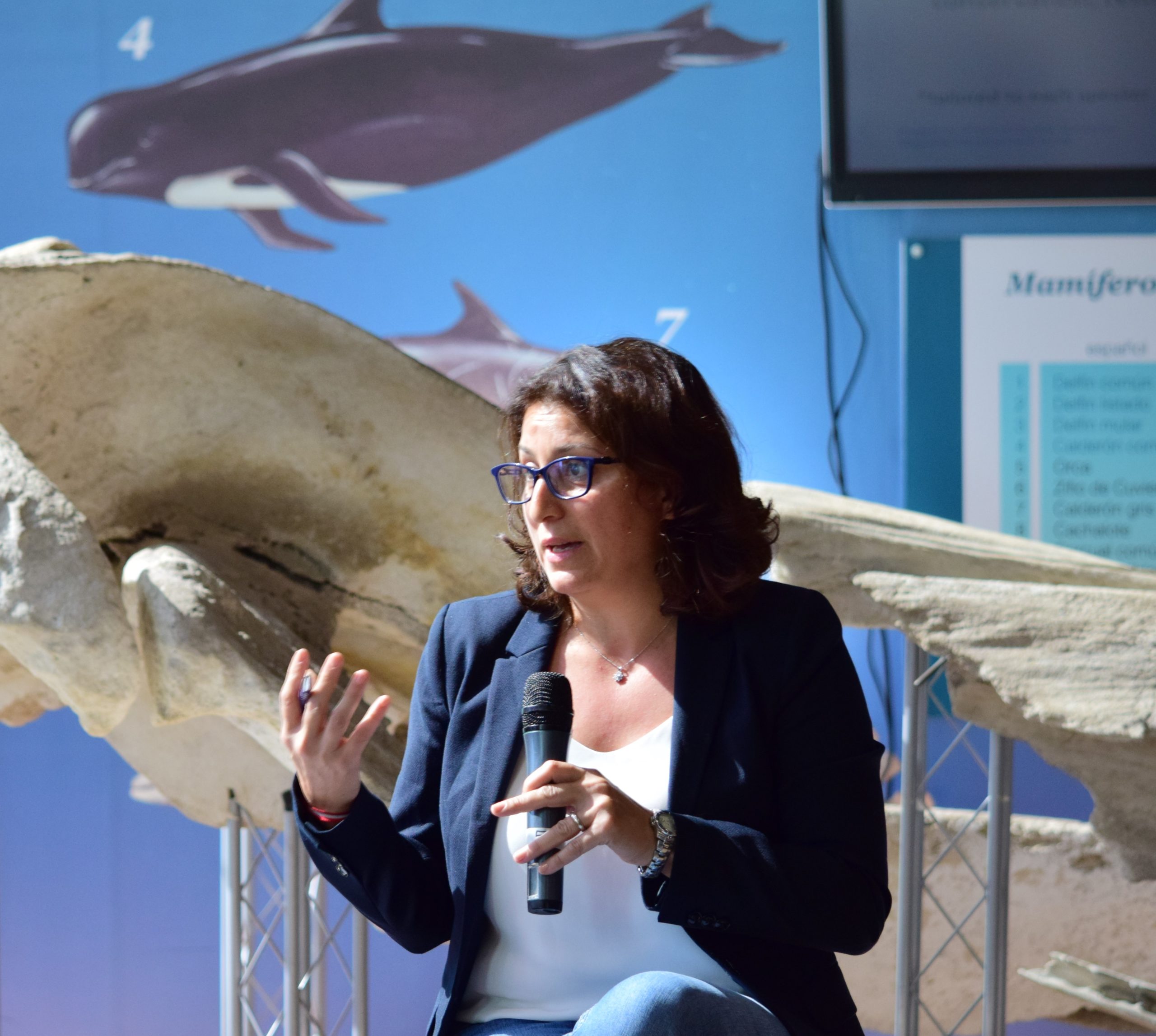
Celebrating leadership in environmental management: an interview with Dania Abdul Malak
From designing integrated ecosystem assessments in Europe and the Mediterranean to transforming outcomes into evidence-based recommendations for regional stakeholders, the European Topic Centre on Spatial Analysis and Synthesis (ETC-UMA) stands as a flagship for territorial cooperation. At the forefront of ...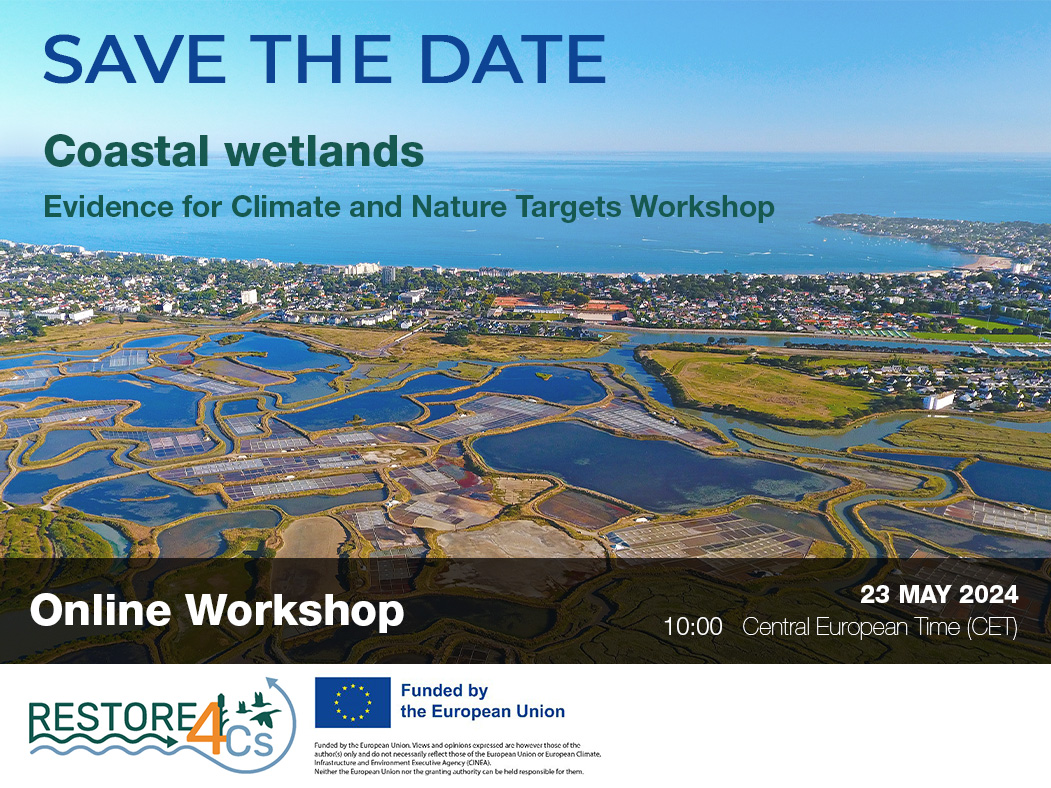
Save the date! Unlocking solutions for coastal conservation in Europe
How can coastal wetlands respond to major European Union objectives such as climate neutrality, biodiversity protection, and pollution reduction? What key role do coastal wetlands play in achieving EU commitments for climate mitigation and biodiversity conservation? The European Topic Centre ...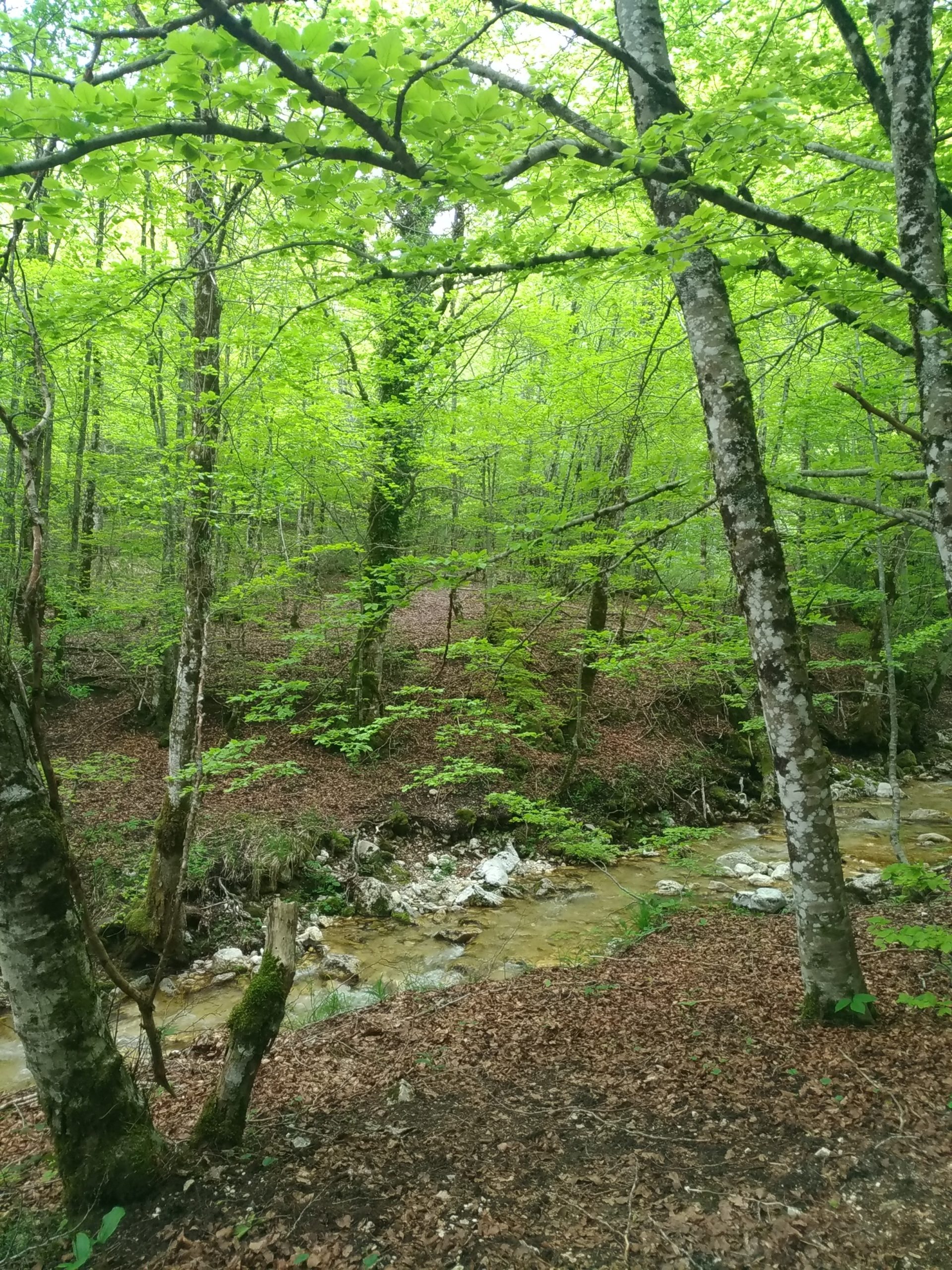
Towards a Strategy for the Sustainable Management of Mediterranean Forests (StrategyMedFor)
The StrategyMedFor project, co-financed by the Interreg Euro-MED programme, was launched at the University of Malaga during a two day meeting that took place on March 18 and 19, 2024. The European Topic Centre on Spatial Analysis and Synthesis (ETC-UMA), ...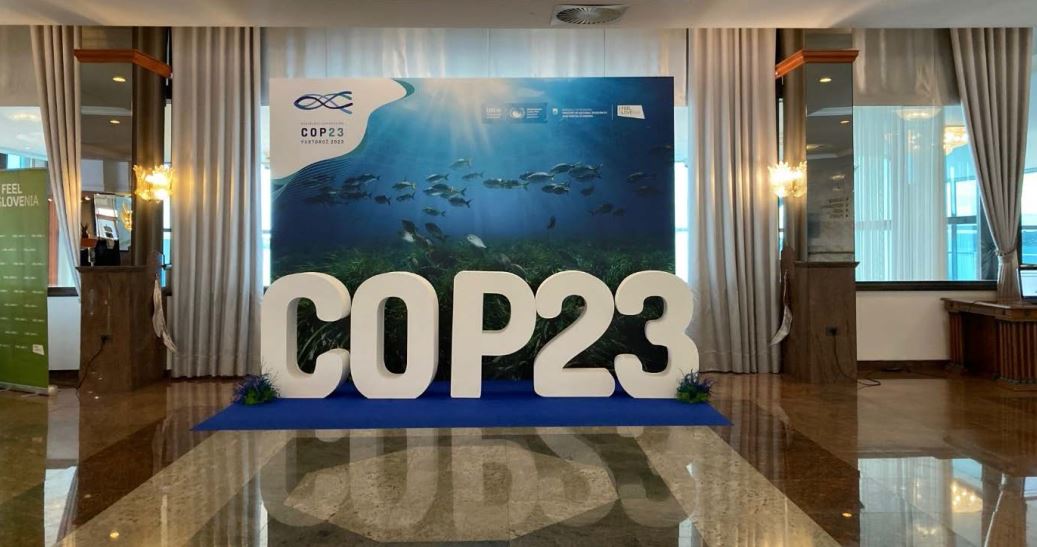
Collaborative science for forests by ETC-UMA showcased in Slovenia during the COP23
As UNEP MAP partner organization, ETC-UMA recently engaged in the organization of a session with Mediterranean institutions under the topic of climate change, entitled: From COASTAL to FOREST ecosystems: Mediterranean Nature-based Solutions to tackle climate change and ensure the Resilience ...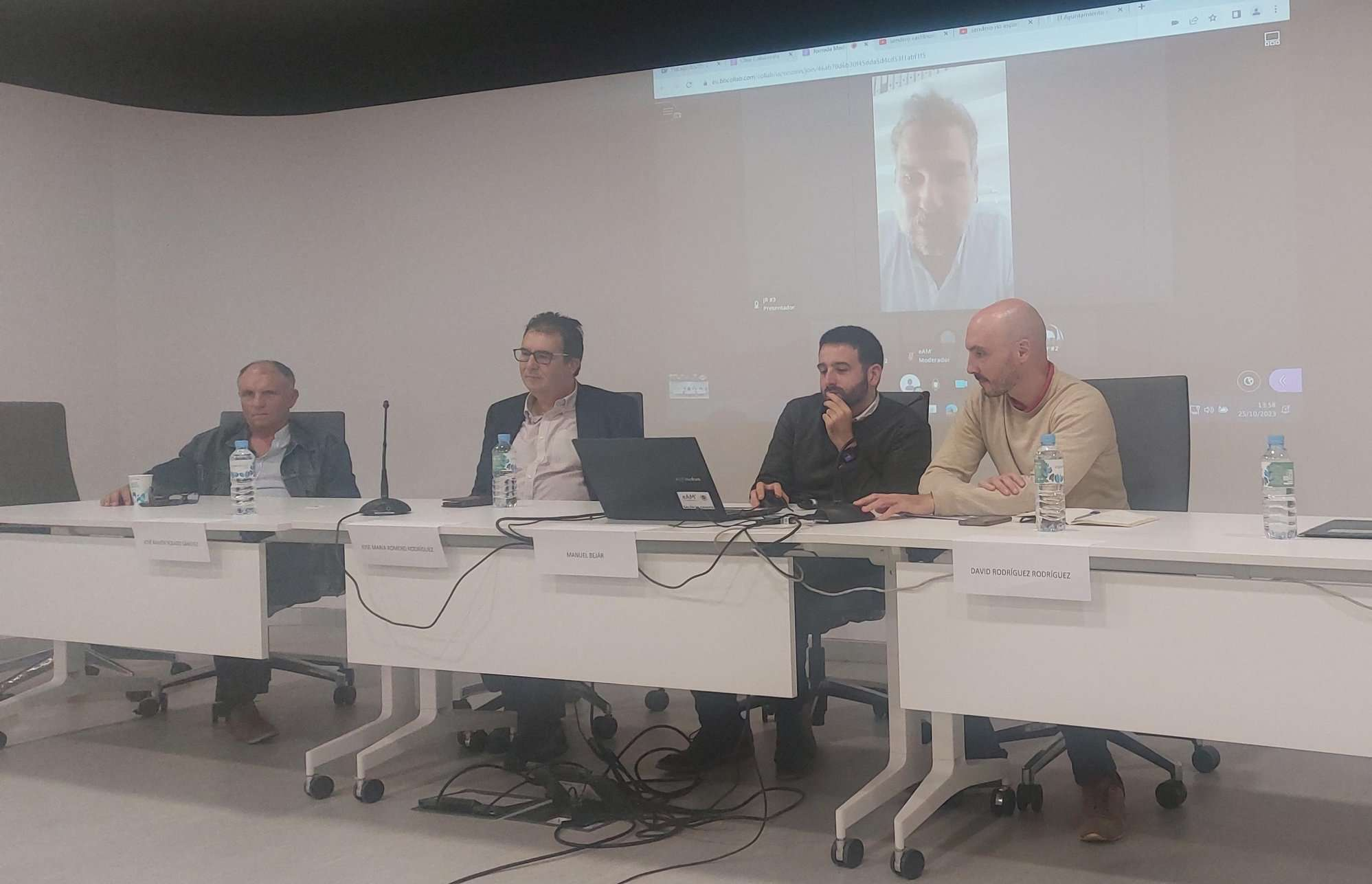
Tools for conserving the Spanish coast
On the initiative of the Instituto Universitario Hábitat Territorio y Digitalización (iHTD) of the University of Malaga, around 70 representatives of Spanish public administrations, researchers, architecture and environmental science players and civil society signed up to the second debate on ...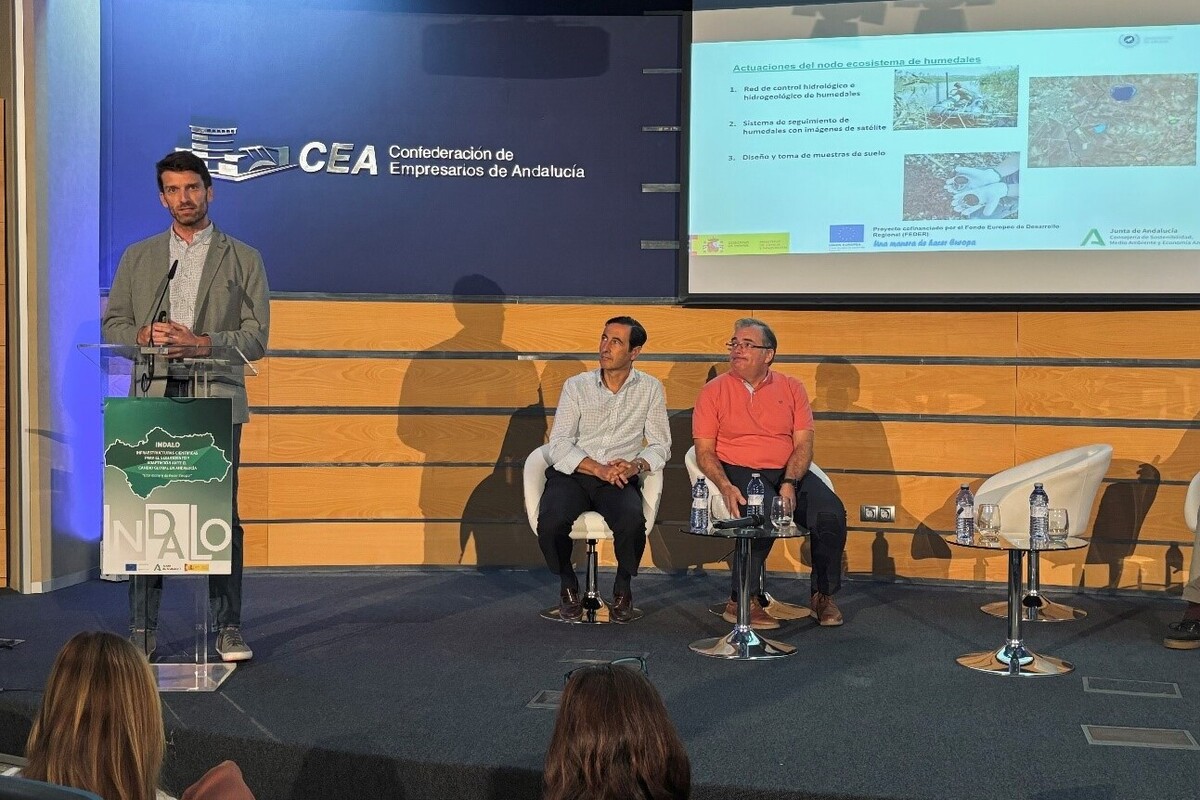
GreenEye System: a cloud-based system to monitor wetlands in Andalusia
Developed in the frame of the LifeWatch INDALO project cofinanced by the European Regional Development Fund (ERDF) for the study of biodiversity and global change in Andalucia, GreenEye System, this new cloud-based monitoring system, provides useful tools for wetlands’ assessment, ...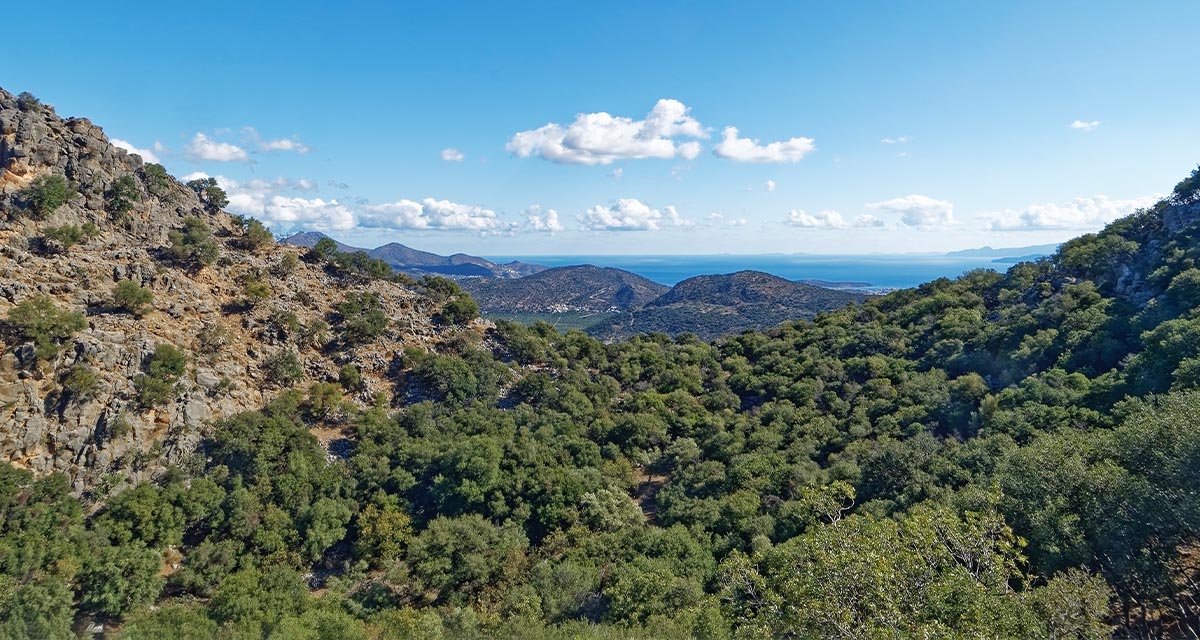
Looking back and forth to Mediterranean Forests
Timely published to enrich the knowledge available to fight fires and climate change challenges after an extremely hot summer, the proceedings of the Seventh Mediterranean Forest Week “Forest and Ecosystem Restoration for the next Mediterranean Generations” held from 21 to ...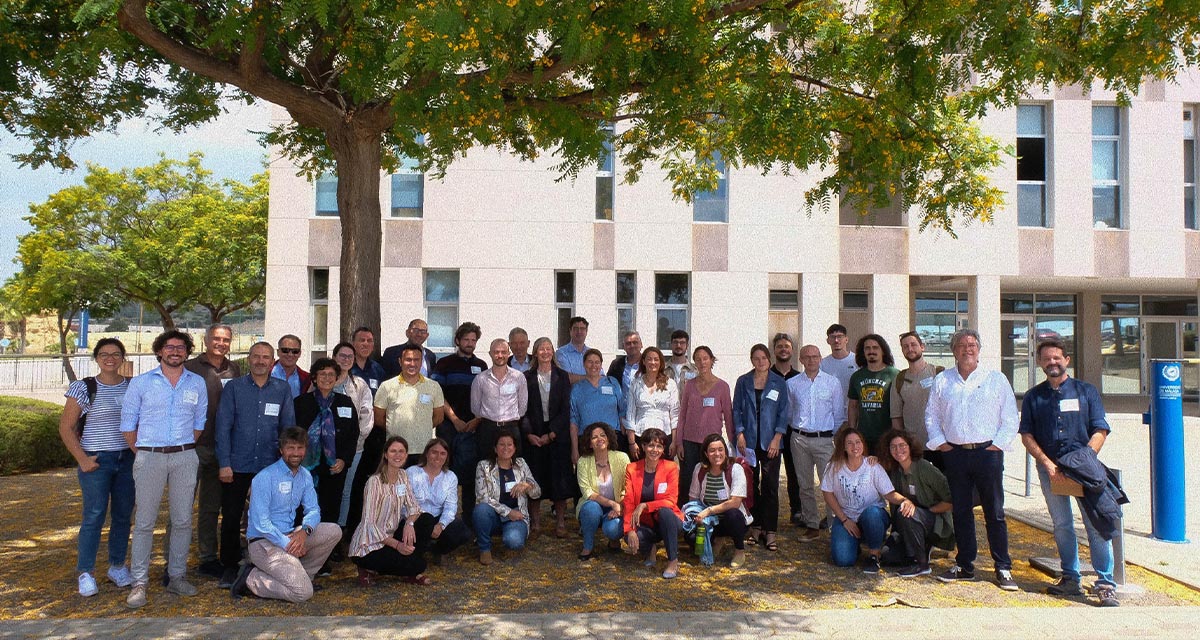
More space for innovative Mediterranean forest data partnerships
The report entitled A knowledge baseline on Mediterranean forests supported by innovation launched in July by ETC-UMA provides a highlight of what Mediterranean countries and institutions are doing to integrate new digital, satellite and Artificial Intelligence technologies into forest monitoring ...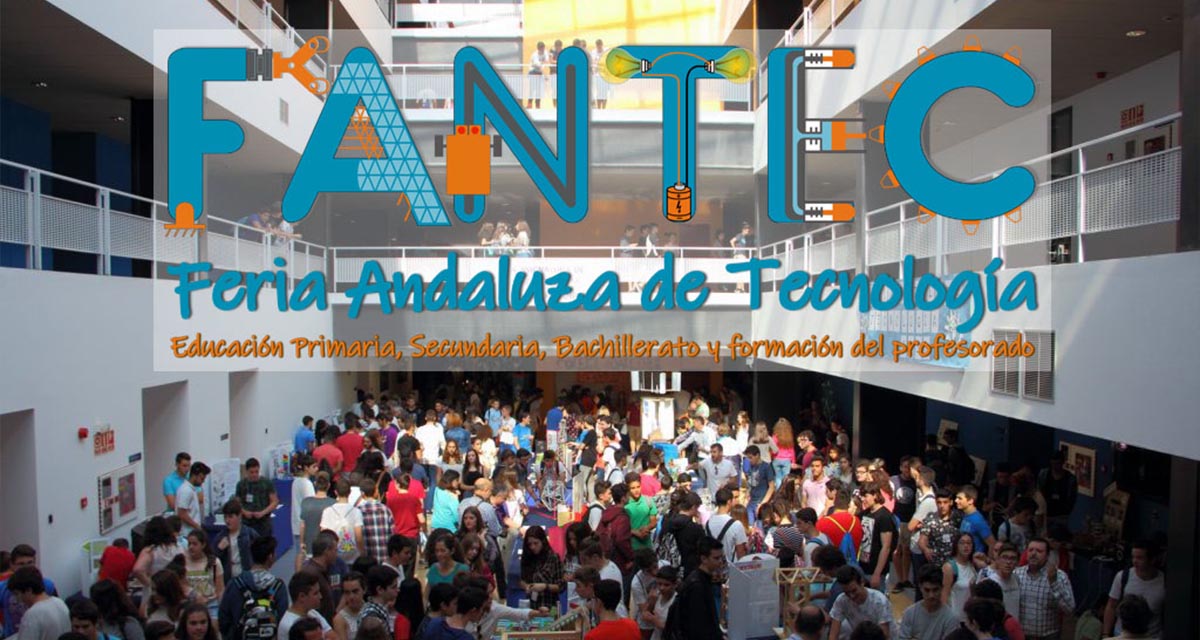
The Earth from Space shown by ETC-UMA at FANTEC 2023
Students from 80 centers from all over Andalusia came together on Friday 19 May 2023 at the High School of Industrial Engineering of the University of Malaga to participate, one more year, in the Andalusian Technology Fair 2023. Antonio Sanchez ...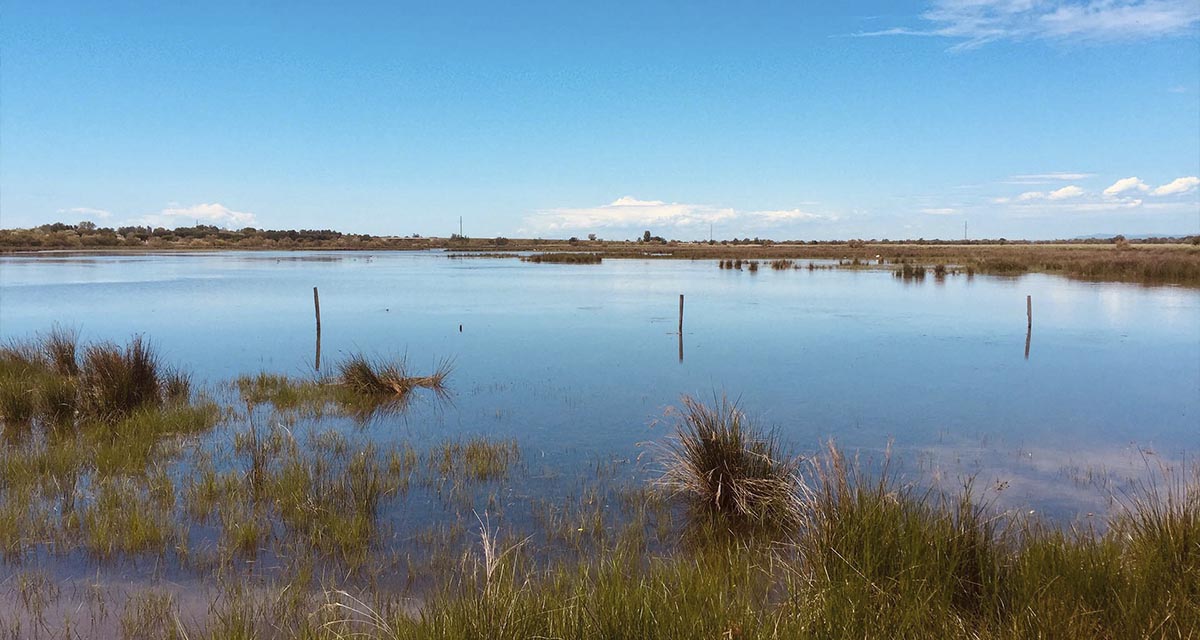
ETC-UMA launches new technologies applied to ecosystem knowledge
Built on the Google Earth Engine cloud computing platform, the new wetland monitoring system based on remote sensing data, developed by ETC-UMA and presented in April 2023 at the National Centre for Environmental Education (CENEAM by its acronym in Spanish) ...