

María del Mar Otero Villanueva
Senior Specialist on Nature Based Solutions and Marine Conservation and Management
María del Mar Otero Villanueva
Senior Specialist on Nature Based Solutions and Marine Conservation and Management
mar_otero@uma.es
+34 951 952 909
Maria del Mar Otero is a coastal and marine expert with long experience in the Mediterranean, Europe and Asia. She holds a PhD in Marine Science, an MSc in Shellfish Resource Management and a BSc in Marine Science. Over the last years, she has worked on numerous international and national projects and initiatives generating and facilitating knowledge transfer, developing capacity building, networking and delivering policy outreach on topics such as adaptation and mitigation to climate change, marine biodiversity assessments and conservation, marine protected areas, restoration, fishing-biodiversity interactions, blue carbon ecosystems and nature-based solutions.
The main focus of her activities at ETC-UMA at present is on nature-based solutions in coastal wetlands.
RESOURCES
Journal Articles
Kampa, E.; Elkina, E.; Bueb, B.; del Mar Otero, M.
Restoring European Coastal Wetlands for Climate and Biodiversity: Do EU Policies and International Agreements Support Restoration? Journal Article
In: Sustainability, vol. 17, no. 21, 2025, ISSN: 2071-1050.
Abstract | Links | BibTeX | Tags: Conservation and management, Environmental conservation, Transboundary management, Wetlands
@article{su17219469,
title = {Restoring European Coastal Wetlands for Climate and Biodiversity: Do EU Policies and International Agreements Support Restoration?},
author = {E. Kampa and E. Elkina and B. Bueb and M. del Mar Otero},
url = {https://www.mdpi.com/2071-1050/17/21/9469},
doi = {10.3390/su17219469},
issn = {2071-1050},
year = {2025},
date = {2025-01-01},
urldate = {2025-01-01},
journal = {Sustainability},
volume = {17},
number = {21},
abstract = {Coastal wetlands provide crucial ecosystem services, including habitats for wildlife, carbon storage, greenhouse gas emission reduction, storm surge and flood protection, water purification, recreation, and nature-based tourism. Their protection and restoration are therefore of growing importance to conservationists, scientists, local communities, and policymakers. This paper analyses the European Union’s (EU) policy framework, alongside international and regional agreements relevant to wetland conservation and restoration, focusing on coastal ecosystems. Drawing on policy content analysis, it assesses how 36 EU policies and multilateral agreements support or limit coastal wetland restoration and conservation efforts in Europe. The findings reveal two key gaps: first, an absence of a consistent definition of coastal wetlands within the EU policy framework; and second, the limited number of explicit policy references to these ecosystems. These shortcomings restrict opportunities for their effective inclusion in action plans and undermine coordinated conservation and restoration efforts. Most binding targets and objectives addressing coastal wetlands stem from EU policies and multilateral agreements on nature conservation, including regional sea conventions. This reliance risks overlooking opportunities within other policy sectors. While EU climate policies increasingly recognise the importance of wetland restoration, they often do so through non-binding provisions and voluntary action. To unlock the full potential of coastal wetlands for biodiversity and climate benefits, it is essential to embed coastal wetlands more explicitly within policy targets and to leverage emerging opportunities within the EU policy framework to further upscale coastal wetland restoration.},
keywords = {Conservation and management, Environmental conservation, Transboundary management, Wetlands},
pubstate = {published},
tppubtype = {article}
}
Georges, V.; Vaz, S.; Carbonara, P.; Fabri, M. C.; Fanelli, E.; Follesa, M. C.; Garofalo, G.; Gerovasileiou, V.; Jadaud, A.; Maiorano, P.; Marin, P.; Mytilineou, C.; Orejas, C.; del Mar Otero, M.; Smith, C. J.; Thasitis, I.; Lauria, V.
In: Sci Rep, vol. 14, no. 1, 0000, ISSN: 2045-2322.
Abstract | Links | BibTeX | Tags: Biodiversity, Climate Change, Conservation and management, Environmental conservation, Mediterranean sea
@article{Georges2024,
title = {Mapping the habitat refugia of Isidella elongata under climate change and trawling impacts to preserve Vulnerable Marine Ecosystems in the Mediterranean},
author = {V. Georges and S. Vaz and P. Carbonara and M.C. Fabri and E. Fanelli and M. C. Follesa and G. Garofalo and V. Gerovasileiou and A. Jadaud and P. Maiorano and P. Marin and C. Mytilineou and C. Orejas and M. del Mar Otero and C. J. Smith and I. Thasitis and V. Lauria},
doi = {10.1038/s41598-024-56338-1},
issn = {2045-2322},
journal = {Sci Rep},
volume = {14},
number = {1},
publisher = {Springer Science and Business Media LLC},
abstract = {The bamboo-coral Isidella elongata is a key habitat-forming species in the deep Mediterranean Sea. This alcyonacean is listed as an indicator of Vulnerable Marine Ecosystems (VMEs) and as Critically Endangered due to bottom trawling impacts. In this work, a modeling approach was used to predict and map the habitat suitability of I. elongata in the Mediterranean Sea under current environmental conditions. Occurrence data were modeled as a function of environmental parameters. Using climate change scenarios and fishing effort data, the risk of climate change and fisheries impacts on habitat suitability were estimated, and climate refugia were identified. A drastic loss of habitat is predicted, and climate change scenarios suggest a loss of 60% of suitable habitats by 2100. In the central Mediterranean, climate refugia overlapped with active fishing grounds. This study represents the first attempt to identify hot spots for the protection of soft bottom Vulnerable Marine Ecosystems for the entire Mediterranean Sea, and highlights areas most at risk from trawling. This work is relevant to the objectives of the EU Marine Strategy Framework and Maritime Spatial Planning Directives, the Biodiversity Strategy for 2030 regarding priority areas for conservation.},
keywords = {Biodiversity, Climate Change, Conservation and management, Environmental conservation, Mediterranean sea},
pubstate = {published},
tppubtype = {article}
}
Proceedings
Schröder, C.; del Mar Otero, M.; Ivanova, S.; Petrov, P.; Camacho, A.; Rochera, C.; Guelmami, A.; Ronse, M.; Fitoka, E.; Hatziiordanou, L.; Puddu, M.; Eremita, G.
Fundación Nueva Cultura del Agua, 2025, ISBN: 978-84-608-2132-8.
Abstract | Links | BibTeX | Tags: Climate Change, Ecosystem services, Mediterranean sea, Wetlands
@proceedings{nokey,
title = {Wetland-Based Solutions: Testing and Transfer of Methodologies to support Climate Change Adapation and Mitigation in Wetland Ecosystems},
author = {C. Schröder and M. del Mar Otero and S. Ivanova and P. Petrov and A. Camacho and C. Rochera and A. Guelmami and M. Ronse and E. Fitoka and L. Hatziiordanou and M. Puddu and G. Eremita},
url = {https://www.etc.uma.es/wp-content/uploads/Schroder_libro_actas_13CIGPA.pdf},
isbn = {978-84-608-2132-8},
year = {2025},
date = {2025-06-01},
urldate = {2025-06-01},
booktitle = {Desde la escasez hacia la reasignación social y ambiental del agua},
publisher = {Fundación Nueva Cultura del Agua},
abstract = {Recent policies at EU and national level have provided the background for more active intervention to restore a significant part of degraded aquatic ecosystems, protect biodiversity and address the effects of Global Change. In this context, adaptation to the consequences of climate change is a key challenge in the Euro-Mediterranean territory. Several opportunities arise to reinforce adaptation by shifting our attention to Nature-based Solutions (NbS) and among them “wetland-based solutions”. Wetland loss and degradation is a sign that the recognition of the wetland climate services as a catalyst for the improvement of the quality of human life and sustainable growth, is probably weak at the various governance levels. The Interreg Euro-MED funded project Wetland4Change (2023-2025) aims to validate transferable solutions based on wetland conservation and restoration for climate adaptation and mitigation, to accelerate the capacities of wetland managers and of policy makers to cope with the climate crisis at local and transnational level, by improving take up of science-based knowledge and governance mechanisms, through assessments, guidance, capacity building and experience exchange. The main project outputs are two wetland-based solutions tested and validated in 5 pilot sites in 5 Euro-Mediterranean countries, namely Bulgaria, Greece, Italy, France and Spain These solutions include carbon-sequestration and flood regulation. The project goes beyond existing practices through the novelty in assessing carbon sequestration and flood regulation capacities of wetlands for national authority obligations (i.e GAEC 2 for the agriculture sector). As a result, the project will improve the knowledge and the management capacities of the involved stakeholders to promote and plan wetlands protection and conservation as nature-based solutions in climate change adaptation, mitigation and risk prevention.},
keywords = {Climate Change, Ecosystem services, Mediterranean sea, Wetlands},
pubstate = {published},
tppubtype = {proceedings}
}
Technical Reports
Porada, H.; Verwer, C.; van der Wal, M.; Reed, M. S.; Hurtado, M.; Perez, P.; Haltia, E.; Shchoka, I.; Peters, J.; Tengö, M.; Lorenz, M.; Larmola, T.; Ukonmaanaho, L.; del Mar Otero, M.; Camacho, A.; Kampa, E.; Schröder, C.; Mroz, W.; O'Brolchain, N.; Holden, L.
Prioritising Wetland Conservation and Restoration in Europe - United voices for more policy impact Technical Report
2026.
Abstract | Links | BibTeX | Tags: Conservation and management, Environmental conservation, Policy, Protected areas, Restoration, Transboundary management, Wetlands
@techreport{Porada2026,
title = {Prioritising Wetland Conservation and Restoration in Europe - United voices for more policy impact},
author = {H. Porada and C. Verwer and M. van der Wal and M. S. Reed and M. Hurtado and P. Perez and E. Haltia and I. Shchoka and J. Peters and M. Tengö and M. Lorenz and T. Larmola and L. Ukonmaanaho and M. del Mar Otero and A. Camacho and E. Kampa and C. Schröder and W. Mroz and N. O'Brolchain and L. Holden},
editor = {H. Porada and C. Verwer and M. van der Wal and M. S. Reed},
url = {https://www.etc.uma.es/wp-content/uploads/IUCN-NL_REWET_white-paper_prioritising-wetland-conservation-and-restoration-in-Europe.pdf},
year = {2026},
date = {2026-07-01},
abstract = {Wetlands are critical ecosystems that provide a wide range of benefits to both the environment and society. Despite their importance, wetlands across Europe continue to be degraded due to reclamations, drainage, land-use change, and climate pressures. This degradation drives biodiversity loss, turns wetlands from carbon sinks into sources of greenhouse gas emissions, exacerbates waterrelated challenges, and leads to long-term social and economic costs, thereby undermining the achievement of EU environmental and sustainability objectives. The current EU policy landscape offers a significant opportunity to address these challenges. Instruments like the Nature Restoration Regulation, Water Framework Directive, Common Agricultural Policy, and LULUCF Regulation provide a framework for advancing large-scale wetland conservation and restoration. However, implementation remains constrained by structural challenges, including fragmented governance, misaligned incentives, financing gaps, limited technical capacity, and insufficient participation of affected groups. Drawing on evidence gathered from the EU funded projects, including REWET, WET HORIZONS, ALFAwetlands, Restore4Cs, ForPeat, Interreg Wetland4Change, and Palus Demos, it identifies four priority areas for policy action: 1) Improving policy coherence across sectors; 2) Mobilising public and private financing; 3) Enabling landscape scale implementation; 4) Strengthening monitoring systems and stakeholder participation. Addressing these priorities can accelerate restoration efforts and ensure that wetlands effectively support EU climate, biodiversity, and water policy objectives.},
keywords = {Conservation and management, Environmental conservation, Policy, Protected areas, Restoration, Transboundary management, Wetlands},
pubstate = {published},
tppubtype = {techreport}
}
del Mar Otero, M.; Bauer, B.; Sánchez-Espinosa, A.; Pacheco, M.
2025.
Abstract | Links | BibTeX | Tags: Conservation and management, Marine protected areas, Maritime transport, Transboundary management
@techreport{delOtero2025,
title = {“Monthly distribution of recreational maritime traffic in small ports and marinas” and “Mitigation and control measures implemented in the area of the Pelagos Sanctuary and Meeting on “Good practices for sustainable commercial and recreational boating”.},
author = {M. del Mar Otero and B. Bauer and A. Sánchez-Espinosa and M. Pacheco},
url = {https://www.etc.uma.es/wp-content/uploads/Pelagos_ToR2_Recreational_boats.pdf},
year = {2025},
date = {2025-09-01},
urldate = {2025-09-01},
abstract = {As recreational vessel traffic continues to increase within the Pelagos Sanctuary, it becomes essential to assess both the spatial and temporal patterns of boat activity to determine its impact on both resident and migratory marine mammal populations and inform effective management strategies. This study aims to provide a more in-depth analysis of recreational boating in the region, with a focus on coastal waters, ports, and marinas.},
keywords = {Conservation and management, Marine protected areas, Maritime transport, Transboundary management},
pubstate = {published},
tppubtype = {techreport}
}
Kampa, E.; Elkina, E.; del Mar Otero, M.
RESTORE4Cs 2nd Policy Brief: Unlocking potential of coastal wetlands in Europe: Integration into National Restoration Plans Technical Report
2025.
Abstract | Links | BibTeX | Tags: Climate Change, Transboundary management, Wetlands
@techreport{Kampa2025,
title = {RESTORE4Cs 2nd Policy Brief: Unlocking potential of coastal wetlands in Europe: Integration into National Restoration Plans},
author = {E. Kampa and E. Elkina and M. del Mar Otero},
url = {https://www.etc.uma.es/wp-content/uploads/R4Cs_Policy-Brief_2_EN.pdf},
year = {2025},
date = {2025-06-27},
urldate = {2025-06-27},
abstract = {The second RESTORE4Cs Policy Brief of RESTORE4Cs, “Unlocking Potential of Coastal Wetlands in Europe: Integration into National Restoration Plans“, highlights the critical role of National Restoration Plans (NRPs) under the EU Nature Restoration Regulation in enhancing the restoration and resilience of coastal wetlands.
The brief outlines how NRPs can serve as a powerful mechanism to harness the climate and biodiversity potential of coastal wetlands.
Key messages of the 2nd RESTORE4Cs Policy Brief include:
National Restoration Plans are a timely opportunity to scale up national efforts to restore European coastal wetlands. When tailored to their specific conditions, restoration of these ecosystems can offer vital natural climate solutions through improving carbon storage, reducing greenhouse gas emissions, and delivering multiple ecological co-benefits.
Effective monitoring is essential. NRPs should include strong monitoring frameworks to track the outcomes of restoration activities. This includes not only assessing ecological status but also collecting data on carbon storage and greenhouse gas fluxes, especially methane, to evaluate climate benefits accurately.
Better alignment with climate policies is needed. To fully leverage the potential of coastal wetlands, NRPs should be coordinated with national climate policy instruments such as National Energy and Climate Plans, national climate adaptation strategies, and carbon removal certification schemes.
This policy brief underlines that well-planned and monitored restoration of coastal wetlands is not only key for ecosystem health but also a strategic component of Europe’s climate action and biodiversity goals.},
keywords = {Climate Change, Transboundary management, Wetlands},
pubstate = {published},
tppubtype = {techreport}
}
The brief outlines how NRPs can serve as a powerful mechanism to harness the climate and biodiversity potential of coastal wetlands.
Key messages of the 2nd RESTORE4Cs Policy Brief include:
National Restoration Plans are a timely opportunity to scale up national efforts to restore European coastal wetlands. When tailored to their specific conditions, restoration of these ecosystems can offer vital natural climate solutions through improving carbon storage, reducing greenhouse gas emissions, and delivering multiple ecological co-benefits.
Effective monitoring is essential. NRPs should include strong monitoring frameworks to track the outcomes of restoration activities. This includes not only assessing ecological status but also collecting data on carbon storage and greenhouse gas fluxes, especially methane, to evaluate climate benefits accurately.
Better alignment with climate policies is needed. To fully leverage the potential of coastal wetlands, NRPs should be coordinated with national climate policy instruments such as National Energy and Climate Plans, national climate adaptation strategies, and carbon removal certification schemes.
This policy brief underlines that well-planned and monitored restoration of coastal wetlands is not only key for ecosystem health but also a strategic component of Europe’s climate action and biodiversity goals.
del Mar Otero, M.; Camacho, A.; Abdul-Malak, D.; Kampa, E.; Scheid, A.; Elkina, E.
RESTORE4Cs 1st Policy Brief: How can coastal wetlands help achieve EU climate goals? Technical Report
2024.
Abstract | Links | BibTeX | Tags: Climate Change, Transboundary management, Wetlands
@techreport{nokey,
title = {RESTORE4Cs 1st Policy Brief: How can coastal wetlands help achieve EU climate goals?},
author = {M. del Mar Otero and A. Camacho and D. Abdul-Malak and E. Kampa and A. Scheid and E. Elkina},
url = {https://www.etc.uma.es/wp-content/uploads/R4Cs-Policy-Brief-EU-climate-goals.pdf},
year = {2024},
date = {2024-09-01},
urldate = {2024-09-01},
abstract = {The first RESTORE4Cs Policy Brief of RESTORE4Cs, “How can coastal wetlands help achieve EU climate goals?“, highlights the importance of European coastal wetlands for reducing Greenhouse Gas emissions.
The key messages of the first RESTORE4Cs Policy Brief include:
1) Coastal wetlands are important natural carbon stores, given their capacity to sequester carbon efficiently while emitting relatively less methane – a Greenhouse Gas (GHG) with much higher warming potential than CO2 at medium term.
2) When well-preserved or restored, coastal wetlands deliver key ecosystem services and have positive impacts on the environment and society. The conservation and restoration of coastal wetlands in Europe is therefore a cost-effective climate mitigation strategy in line with the European Climate Law and can contribute to reach climate neutrality by 2050.
3) Robust carbon certification sche mes can offer additional tools to finance projects for protecting and restoring European coastal wetlands. Coastal wetland protection and restoration activities that contribute to reduce GHG emissions, sequester carbon and provide long-term storage should qualify and be recognised under the EU Certification Framework for Carbon Removals. These measures provide an opportunity for unlocking new financial sources for wetland conservation and restoration while ensuring ecological and social benefits with the necessary safeguards in place.
4) Actions to protect and restore carbon sinks – including the sustainable management and restoration of wetlands – are qualified by the EU Taxonomy Regulation as ‘environmentally sustainable’ economic activities. These actions can create incentives for companies that aim to become more climate-friendly and attract new investments for restoration by labelling certain activities as ‘environmentally friendly’ or reducing their financial transaction costs.},
keywords = {Climate Change, Transboundary management, Wetlands},
pubstate = {published},
tppubtype = {techreport}
}
The key messages of the first RESTORE4Cs Policy Brief include:
1) Coastal wetlands are important natural carbon stores, given their capacity to sequester carbon efficiently while emitting relatively less methane – a Greenhouse Gas (GHG) with much higher warming potential than CO2 at medium term.
2) When well-preserved or restored, coastal wetlands deliver key ecosystem services and have positive impacts on the environment and society. The conservation and restoration of coastal wetlands in Europe is therefore a cost-effective climate mitigation strategy in line with the European Climate Law and can contribute to reach climate neutrality by 2050.
3) Robust carbon certification sche mes can offer additional tools to finance projects for protecting and restoring European coastal wetlands. Coastal wetland protection and restoration activities that contribute to reduce GHG emissions, sequester carbon and provide long-term storage should qualify and be recognised under the EU Certification Framework for Carbon Removals. These measures provide an opportunity for unlocking new financial sources for wetland conservation and restoration while ensuring ecological and social benefits with the necessary safeguards in place.
4) Actions to protect and restore carbon sinks – including the sustainable management and restoration of wetlands – are qualified by the EU Taxonomy Regulation as ‘environmentally sustainable’ economic activities. These actions can create incentives for companies that aim to become more climate-friendly and attract new investments for restoration by labelling certain activities as ‘environmentally friendly’ or reducing their financial transaction costs.
del Mar Otero, M.
Towards a nature positive Mediterranean: Accelerating the transition for the conservation, restoration and wise use of biodiversity in the Mediterranean Technical Report
2022.
Abstract | Links | BibTeX | Tags: Biodiversity, Blue Growth, Climate Change, Conservation and management, Environmental conservation, Marine protected areas, Mediterranean sea, Pressures
@techreport{delOtero2022,
title = {Towards a nature positive Mediterranean: Accelerating the transition for the conservation, restoration and wise use of biodiversity in the Mediterranean},
author = {M. del Mar Otero},
url = {https://www.etc.uma.es/wp-content/uploads/MBPC_Policy_Paper_2022.pdf},
year = {2022},
date = {2022-11-01},
abstract = {This policy paper draws on various recent policy discussions and papers at a global level, particularly the transformation pathways from the Global Assessment Report on Biodiversity and Ecosystem Services of the Intergovernmental Science-Policy Platform on Biodiversity and Ecosystem Services (IPBES). It also stems from the need to tackle climate change and biodiversity targets simultaneously to generate solutions at the Mediterranean basin.
Building on the IPBES findings, this paper identifies transformative actions that bring about change in the conservation, restoration and wise use of coastal and marine biodiversity ensuring the positive coexistence between economic sectors and sensitive species and habitats found in the Mediterranean region. It argues for the feasible implementation of these actions through available solutions and tools developed by the Interreg Mediterranean Biodiversity Protection Community, among others, that would place the region in the path of ecological resilience and nature recovery.},
keywords = {Biodiversity, Blue Growth, Climate Change, Conservation and management, Environmental conservation, Marine protected areas, Mediterranean sea, Pressures},
pubstate = {published},
tppubtype = {techreport}
}
Building on the IPBES findings, this paper identifies transformative actions that bring about change in the conservation, restoration and wise use of coastal and marine biodiversity ensuring the positive coexistence between economic sectors and sensitive species and habitats found in the Mediterranean region. It argues for the feasible implementation of these actions through available solutions and tools developed by the Interreg Mediterranean Biodiversity Protection Community, among others, that would place the region in the path of ecological resilience and nature recovery.

The StrategyMedFor Project Final Event Showcases a Shared Vision for Sustainable Mediterranean Forest Management
Between 3-5 June 2026, Mediterranean forest experts, policymakers, researchers, practitioners, and representatives of international organisations gathered at the FAO Headquarters in Rome to celebrate the StrategyMedFor project. Participants experienced an immersive journey through the project’s achievements, methodologies, tools, and future ...
Updated MedBioLitter Dashboard Enhances Geospatial Analysis of Marine Litter Impacts
The MedBioLitter Knowledge Base Platform has reached a new milestone with the release of its latest update, further consolidating its role as a key resource for understanding the relationship between marine litter and biodiversity in the Mediterranean Sea. The newly enhanced ...
New Factsheet: Selecting the Right Management Evaluation Tool for Marine Protected Areas
A wide range of tools is currently available to assess the management effectiveness of Marine Protected Areas (MPAs). This can make the selection process complex for practitioners. To support MPA managers in this task, ETC-UMA has developed a new factsheet ...
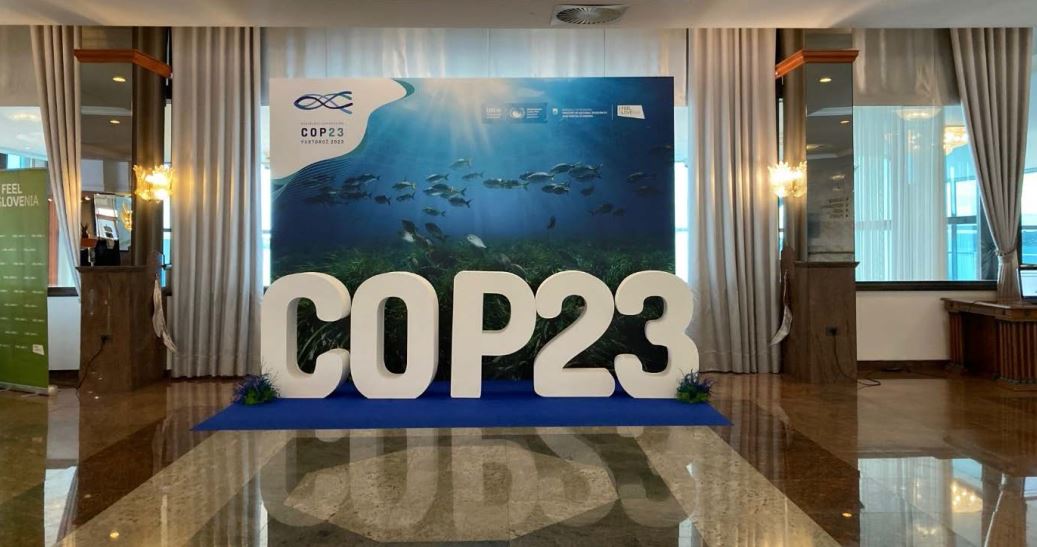
ETC-UMA Advances Mediterranean Ecosystem Restoration at COP24 Through Coastal, Marine, Forest and Wetland Action
As climate pressures intensify across the Mediterranean, the need for coordinated action to conserve and restore ecosystems across the spectrum has never been more urgent. Wetlands, forests, coastal or marine ecosystems host habitats that strengthen the region’s adaptability and resilience, ...
Insights from the RESTORE4Cs Autumn School 2025: Bridging Science and Policy for an Enhanced Resilience of Coastal Wetlands
From 3 to 6 November 2025, experts, researchers, students as well as practitioners and decision makers from across Europe and beyond gathered at the ETC-UMA premises in Málaga, Spain, for the RESTORE4Cs Autumn School 2025: “Modelling, Policy and Practice for ...
RESTORE4Cs 2nd Policy Brief: Unlocking Potential of Coastal Wetlands in Europe: Integration into National Restoration Plans
The second RESTORE4Cs Policy Brief of RESTORE4Cs, “Unlocking Potential of Coastal Wetlands in Europe: Integration into National Restoration Plans“, highlights the critical role of National Restoration Plans (NRPs) under the EU Nature Restoration Regulation in enhancing the restoration and resilience of coastal wetlands. The brief outlines how ...
Back in Lebanon with BioConnect: Witnessing nature protection and socioecological resilience in action
As part of ETC-UMA’s role as the external evaluator for the EU-funded BioConnect project, the Centre’s Director, Dania Abdul Malak, carried out a site visit to Lebanon from July 8 to 12 to assess the project’s progress in its third ...
Boosting Climate Resilience: Wetland4Change Project Advances Flood Management Solutions for Mediterranean Coastal Zones
The Mediterranean coastal zone´s combination of multiple severe climate hazards – rising temperatures, water scarcity, sea-level rise, and extreme weather events – makes it a hotspot for highly interconnected climate risks for the ecosystems and societies. Recent catastrophic floods in ...
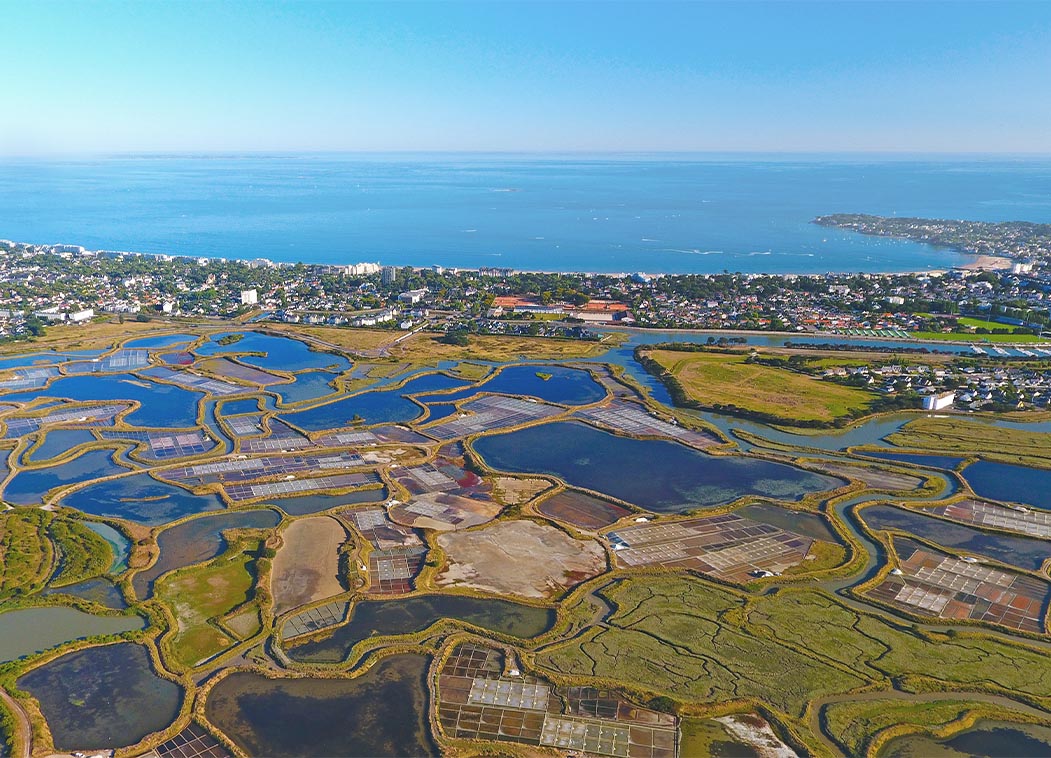
RESTORE4Cs 1st Policy Brief: How can coastal wetlands help achieve EU climate goals?
The first RESTORE4Cs Policy Brief of RESTORE4Cs, “How can coastal wetlands help achieve EU climate goals?“, highlights the importance of European coastal wetlands for reducing Greenhouse Gas emissions. The key messages of the first RESTORE4Cs Policy Brief include: Coastal wetlands are important natural carbon stores, ...
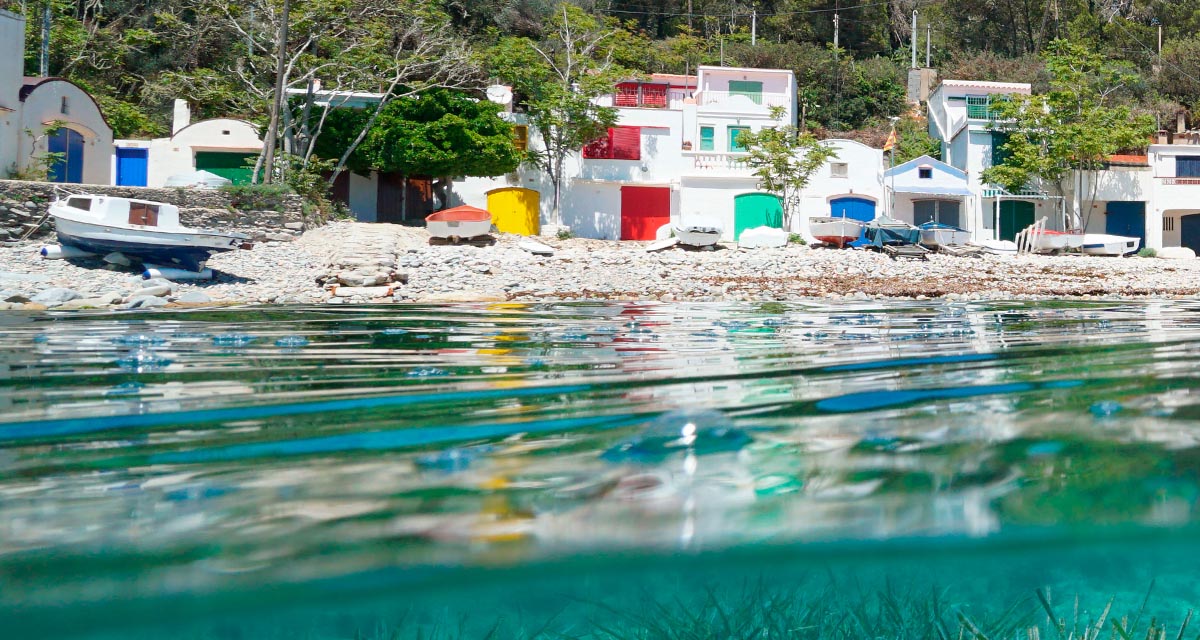
Mapping the Impact of Blue Tourism in the Mediterranean
The IUCN Centre for Mediterranean Cooperation with the support of ETC-UMA in the framework of the Blue Tourism Initiative, has released a comprehensive report entitled “Mapping the Impact of Blue Tourism in the Mediterranean: Vulnerability Assessment of Coastal and Marine ...
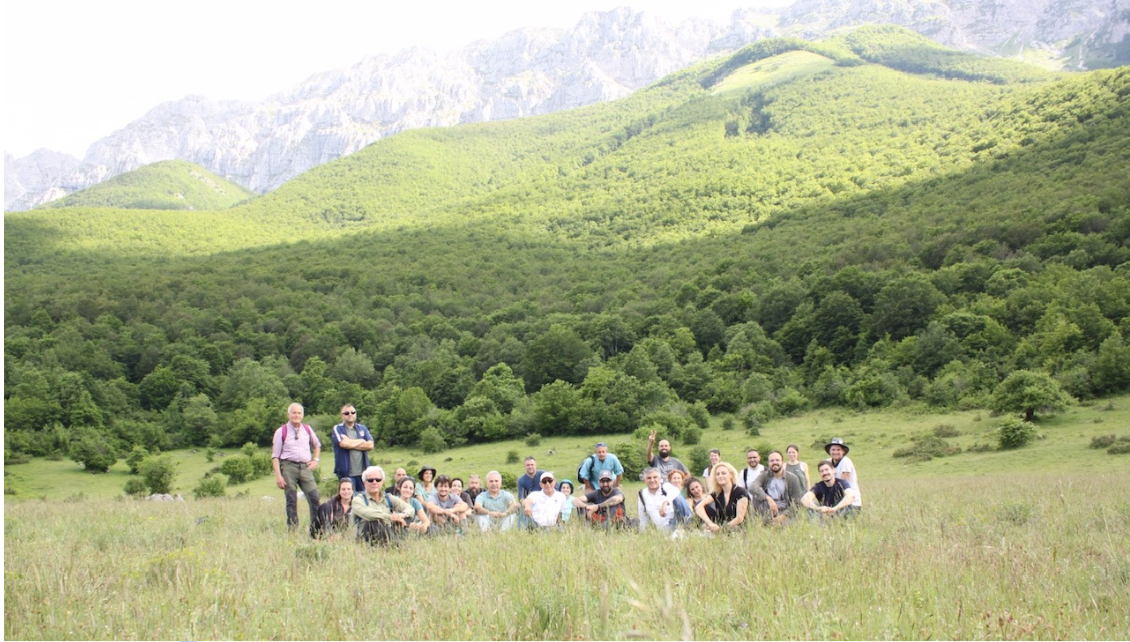
StrategyMedFor Presented at Annual Medforval Meeting 2024
StrategyMedFor was prominently featured at the Annual Medforval Meeting 2024, held from June 5-7 in Fontecchio, Italy. The event brought together 25 practitioners from national parks and natural reserves across 9 Mediterranean countries, providing a valuable platform for StrategyMedFor to ...
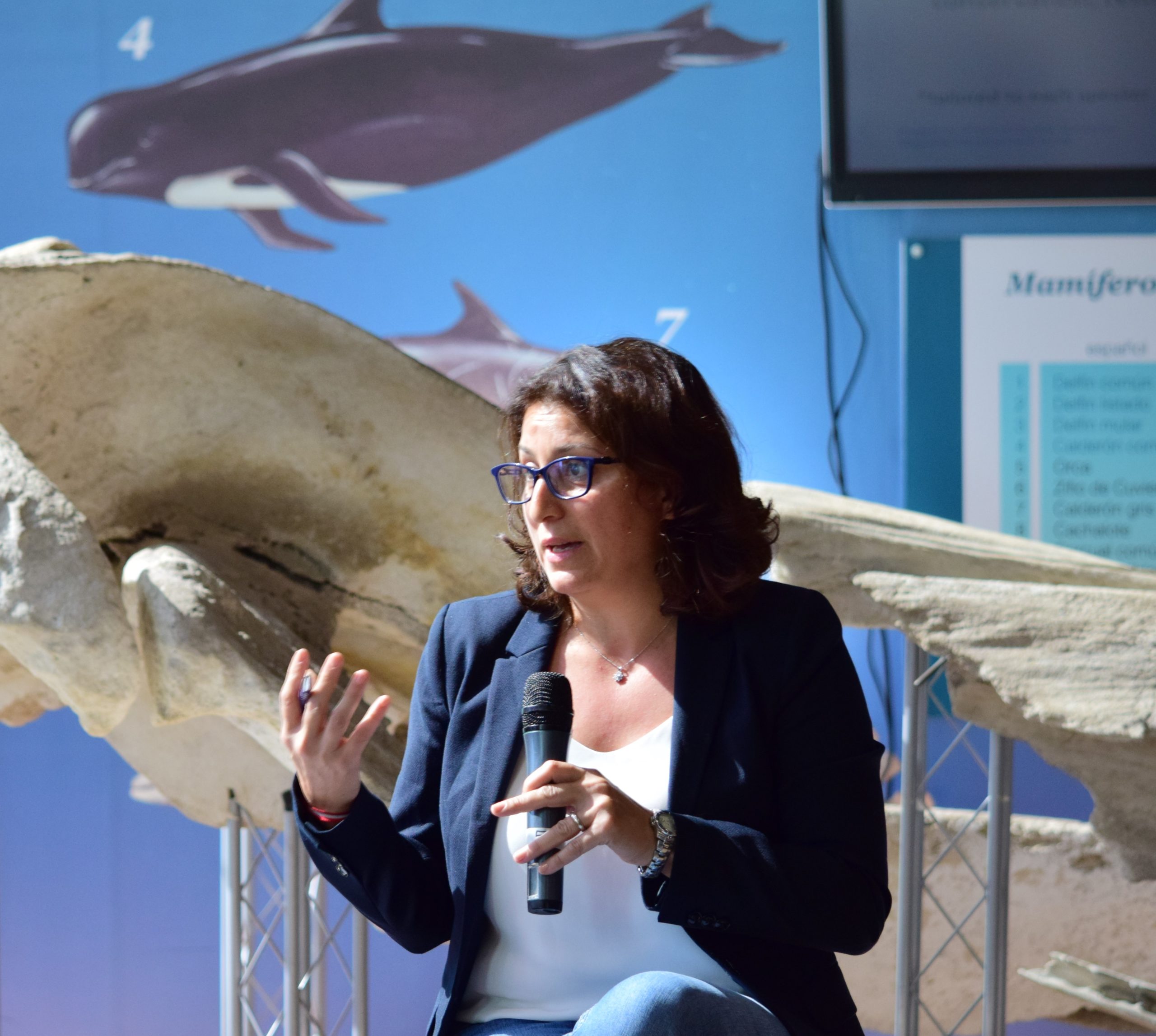
Celebrating leadership in environmental management: an interview with Dania Abdul Malak
From designing integrated ecosystem assessments in Europe and the Mediterranean to transforming outcomes into evidence-based recommendations for regional stakeholders, the European Topic Centre on Spatial Analysis and Synthesis (ETC-UMA) stands as a flagship for territorial cooperation. At the forefront of ...
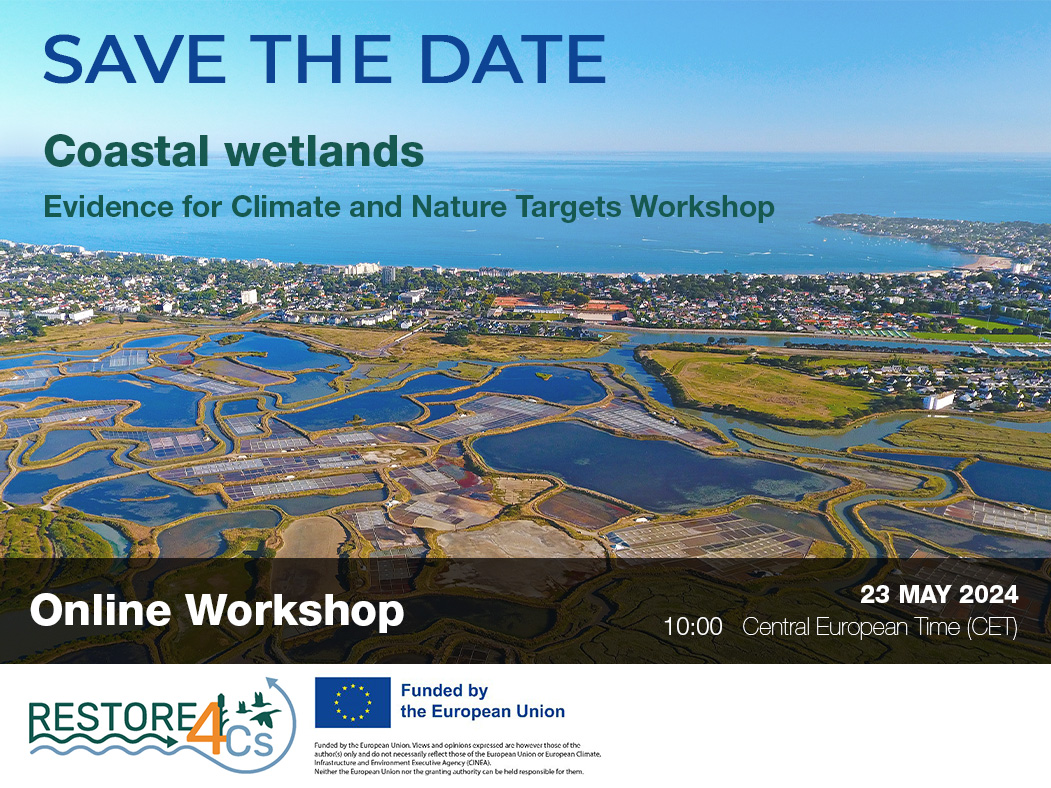
Save the date! Unlocking solutions for coastal conservation in Europe
How can coastal wetlands respond to major European Union objectives such as climate neutrality, biodiversity protection, and pollution reduction? What key role do coastal wetlands play in achieving EU commitments for climate mitigation and biodiversity conservation? The European Topic Centre ...
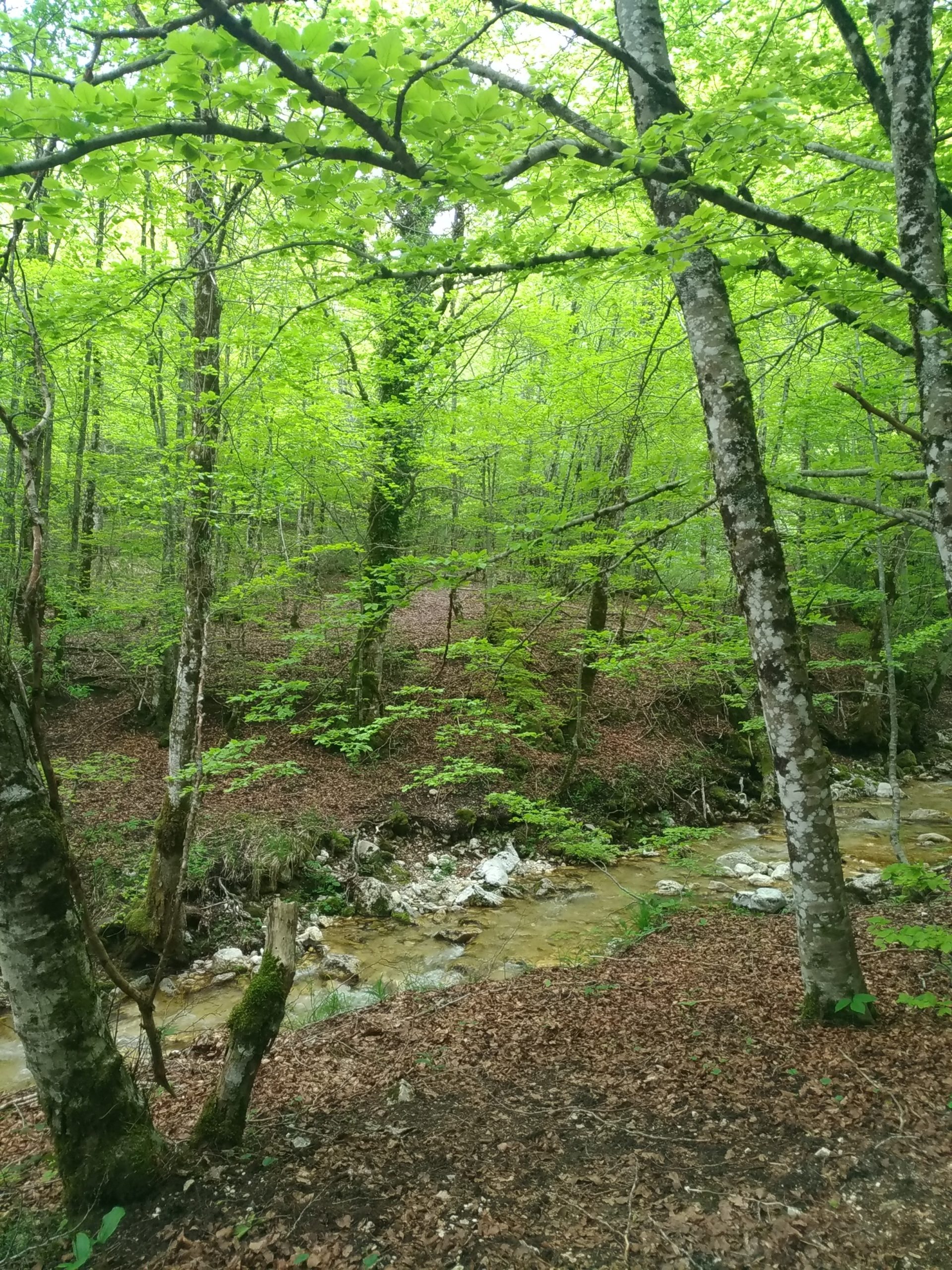
Towards a Strategy for the Sustainable Management of Mediterranean Forests (StrategyMedFor)
The StrategyMedFor project, co-financed by the Interreg Euro-MED programme, was launched at the University of Malaga during a two day meeting that took place on March 18 and 19, 2024. The European Topic Centre on Spatial Analysis and Synthesis (ETC-UMA), ...